Teaching safety
For families who live surrounded by explosives, risk education is a matter of life and death.
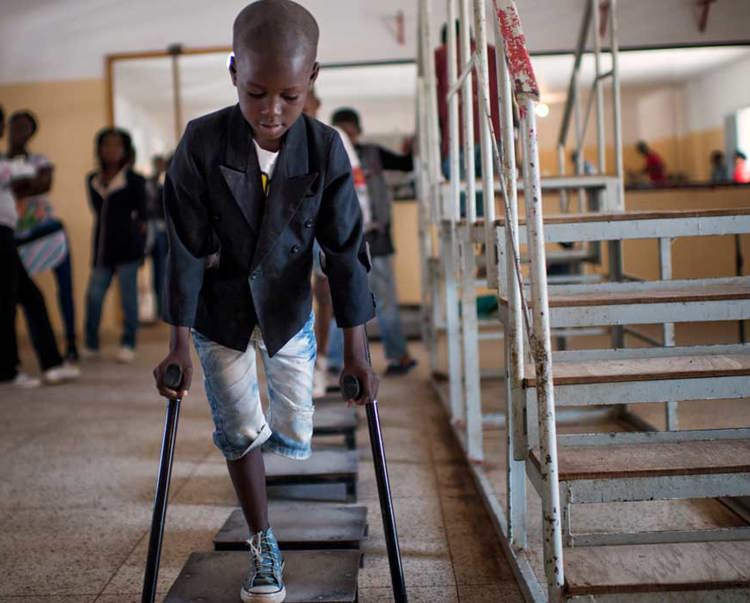
Mohammed, a 12-year-old from Syria, lost 80% of his vision in an ammunition accident. His best friend Abdullah was killed. They had been collecting the metal from explosives to sell as scrap to earn money for food and toys.
The best way to prevent casualties is to clear the debris left behind after conflict, but it's painstaking work and it takes time. Teaching people how to stay safe until we can remove the explosives for good is vital to stop more children like Mohammed and Abdullah from getting hurt.
Our work
Children are at the highest risk because of their natural curiousity. An unexploded bomb can look like a tempting toy to an inquisitive child. We use a variety of tools to teach children about the dangers and give them easy ways to remember basic rules to stay safe.
Safety training includes:
- Identifying explosives
- Highlighting high-risk locations, like former military trenches
- Explaining warning signs and markings
- How to report suspicious items
We use a variety of tools from printed booklets to social media to spread these life-saving messages as widely as possible.

"How do we stay safe? What can you do to protect yourself, your friends and your family if you encounter an unexploded bomb in Gaza?"

Our impact
When families displaced by conflict return home, or civil unrest sparks more fighting, the risk of accidents increases.
Hayatulla’s village in Afghanistan was littered with landmines after fighting between Jihadi forces. HALO sent in a quick response team to teach families how to stay safe until the mines could be removed.


Success stories
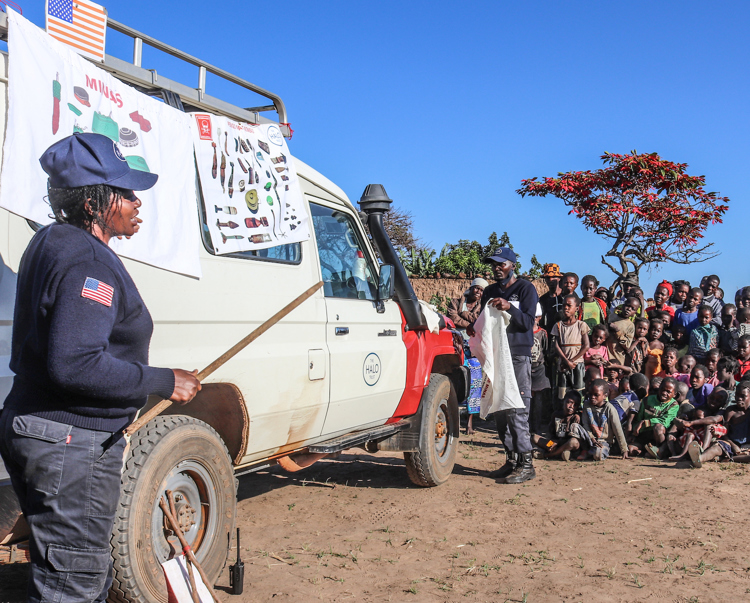
Clearing the Lobito Corridor
With US funding HALO is clearing mines in Cuemba on the Lobito Corridor, one of the most mine-affected parts of Angola.
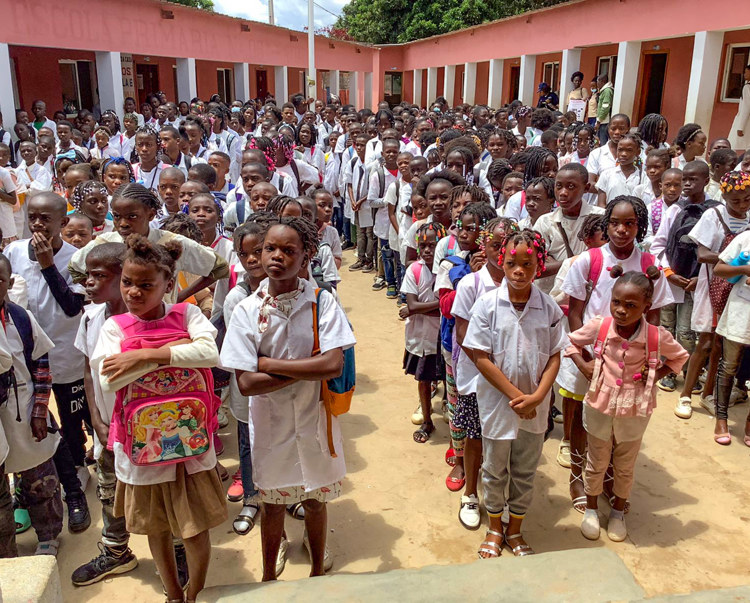
Teaching safety in Angola
In Angola, HALO has launched a risk education campaign in response to rising numbers of accidents caused by discarded bombs.