Somalia and Somaliland
HALO's work in the Somali region began in 1999, making it one of our longest-running programmes. The region has suffered decades of armed conflict, starting with the Ogaden War in 1977, and continuing today with the al-Shabaab and Islamic State insurgencies.
Thousands of landmines and explosives have been used during these conflicts, leaving a deadly legacy that threatens lives and destroys futures.
Operating from key locations including Mogadishu, Hargeisa, Garowe, Las Anod and Abudwaq, HALO works to make the land safe, so that farmers can graze their animals and access precious resources like water. We also teach risk education to vulnerable families, ensuring people stay safe until our work is done.
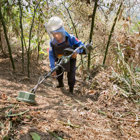
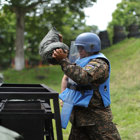
HALO uses manual and mechanical mine clearance teams to remove landmines, especially along the border with Ethiopia. In Las Anod, HALO has created battle area clearance teams to remove the thousands of explosive items left by the conflict in 2023.



HALO's environment work in the Horn of Africa
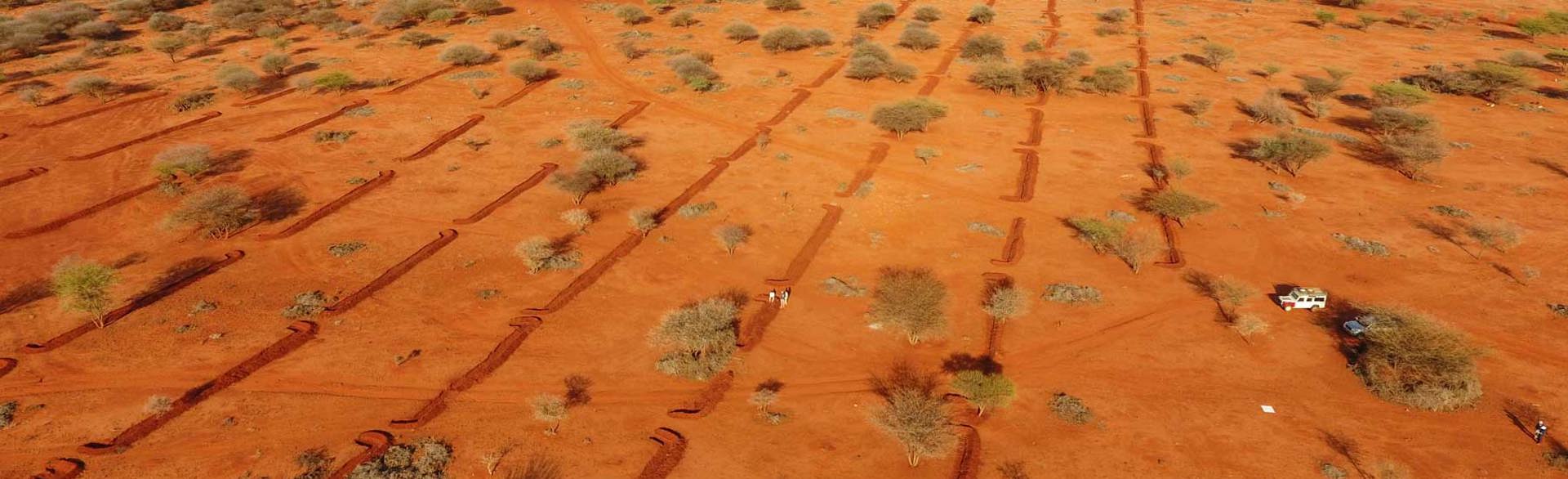
Beyond clearance, HALO supports resilience in the face of environmental degradation by rehabilitating cleared land, restoring water systems, and working with communities to improve sustainable livelihoods.
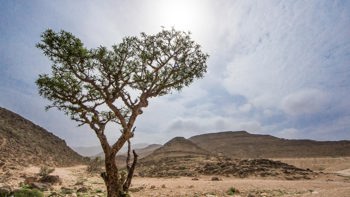
HALO works with national partners and international researchers to document the growth of Boswellia, a species of frankincense tree. We provide tree husbandry support to resin-harvesting communities that have been impacted by conflict.
Across the Horn of Africa region, HALO is developing partnerships with established national and international NGOs, research institutes and academic institutions. Our goal is to support biodiversity, sustainable livelihoods, and community-led environmental initiatives.
Case study
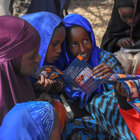
In a country ravaged by drought, we create safe access to roads and precious grazing land. We also teach children and families how to stay safe until all the landmines can be removed for good. This is vital work as we respond to hundreds of callouts from people who discover dangerous explosives that need to be destroyed.
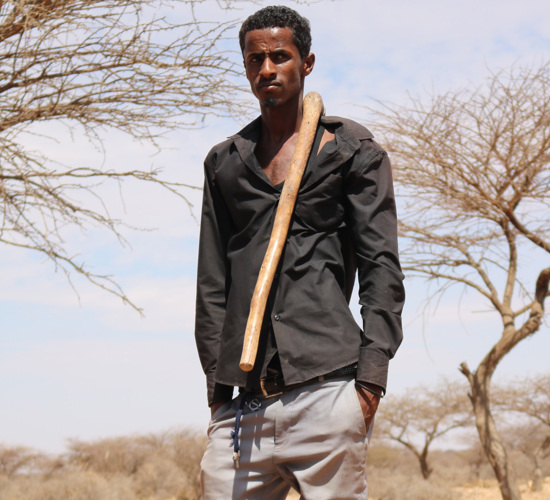
Food is scarce in Somaliland due to extreme drought. Local goat herders like Abdul face an impossible decision. They either graze their animals on dangerous mine-strewn land, or risk them starving. HALO cleared an area the size of 30 football pitches around the village of Sayla Bari, where Abdul now grazes his goats in safety.
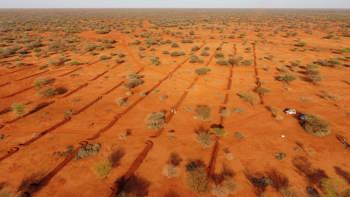
Thanks to donor support, HALO has been building community resilience through rehabilitation of soil and vegetation in cleared land. This includes constructing soil bunds for rainwater catchment and reseeding native grasses. We also create community-managed enclosures for fodder production, and schemes to train and employ local people. We've also restored community water storage facilities to improve the management of water reserves.
HALO's work in Somalia and Somaliland is funded by: